

How Duct Cleaning in Fresno Changed My Home as a Longtime Allergy Specialist

As an allergist who has practiced in Fresno for many years, I’ve spent plenty of time helping patients troubleshoot the sources of recurring respiratory issues. Most people expect me to prescribe medication or adjust treatment plans. What often surprises them—and surprised me early in my career—is how frequently the problem starts inside their own homes, specifically inside their ductwork. My interest in duct cleaning Fresno services didn’t come from a textbook; it came from watching families struggle with symptoms that didn’t match their medical history but did match their living environment.
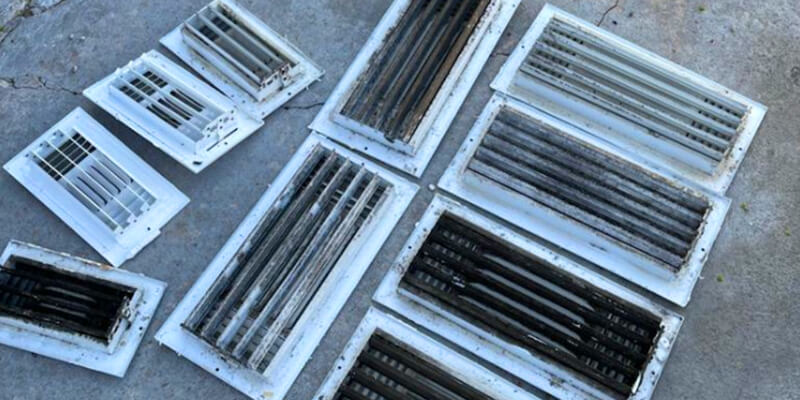
Fresno, TX - Houston Extreme Air Duct Cleaning and Restoration Services

I still remember the first time I traced a patient’s persistent cough back to their HVAC system. They lived near the edge of town, close to almond orchards, and every spring their symptoms flared beyond what I’d normally expect. Medication helped, but only partially. Out of curiosity, I visited their home one afternoon to see what environmental factors might be at play. When their AC kicked on, I could smell the faint dusty scent that usually indicates debris somewhere in the ductwork. That was my introduction to how quickly Fresno’s dry air, pollen, and agricultural dust can accumulate in a closed system.

The family decided to have their ducts inspected and cleaned. A week later, they told me their symptoms felt noticeably lighter indoors. That experience shifted how I approached similar cases. I began asking more pointed questions—how old the home was, whether pets lived inside, whether renovations had been done recently. Again and again, I found that the homes with the worst symptoms often had ductwork that hadn’t been touched since installation.

My own turning point came a few years later. Despite working in this field, I hadn’t inspected my own ducts in ages. I assumed frequent filter changes were enough. But after a particularly dusty summer, I noticed my daughter waking up congested more often. I also caught myself wiping down surfaces more frequently because the dust seemed to settle faster than usual. I finally called a technician to check the system. He showed me handfuls of debris—pet hair from our old dog, fine yellowish pollen, and loose insulation fibers that had slipped in through a small gap in the attic. I felt a little foolish for overlooking something I routinely discussed with patients.

The difference after cleaning was immediate in my own home too. The air smelled neutral again, and my daughter’s morning congestion eased. What struck me wasn’t the dramatic change but the steady comfort that returned, the sense that the air felt “lighter,” even though nothing about the house appeared different on the surface.

Over the years, I’ve learned to distinguish between situations where duct cleaning truly helps and those where it won’t make much difference. Homes near agricultural areas tend to accumulate dust even with regular filter changes. Families with multiple pets almost always show signs of dander buildup along the return lines. And homes that have undergone remodeling—especially with sanding or drywall work—nearly always have a layer of fine debris coating the ducts. I’ve had patients tell me they feel embarrassed, as if the state of their ductwork reflects poor housekeeping. It doesn’t. Even very tidy homes collect what the outdoor air brings in.

There are also times I advise against cleaning. Some patients assume that duct cleaning will solve issues caused by humidity, mold in other parts of the home, or a poorly maintained HVAC unit. It doesn’t. If the ducts are damaged or poorly sealed, cleaning won’t fix underlying airflow problems. I’ve seen people pay for services that didn’t address the real issue, and those conversations tend to be more frustrating than anything else.

But when the problem aligns with what I’ve seen repeatedly in Fresno—accelerated dust buildup, seasonal pollen infiltration, pet dander, or post-renovation contamination—cleaning the ducts can be one of the most practical steps a family can take. It doesn’t replace medical care, but it reduces the environmental load that aggravates respiratory conditions. For many of my patients, lowering that burden indoors makes their treatment plans work the way they’re supposed to.

Living and practicing in Fresno has taught me that clean air isn’t just about what we breathe outside. It’s shaped by the hidden pathways in our homes that carry conditioned air through rooms where we work, sleep, and raise our kids. Duct cleaning isn’t a cure-all, but in the right homes, it creates a quiet, steady relief that people with allergies or asthma feel long before they see it.

From Dirt to Development: Understanding the Rise of Companies That Buy Land


In recent years, the real estate landscape has shifted dramatically due to the growing number of companies that buy land across the globe. Whether it’s for development, investment, or conservation, these companies play a crucial role in transforming raw plots into valuable assets. This movement has sparked interest among private owners, developers, and investors looking to understand the motivations and strategies behind such acquisitions.

One of the primary reasons companies that buy land are becoming more prominent is due to the finite nature of land itself. Unlike other commodities, land cannot be reproduced. This makes it an increasingly attractive asset, especially in urban and fast-growing suburban areas. These companies analyze zoning laws, population trends, and infrastructure plans before acquiring land to ensure its value will appreciate over time.

The rise of environmentally conscious investing has also driven interest in companies that buy land. These firms often purchase land for reforestation, carbon offset projects, or agricultural revitalization. By acquiring rural or unused land, they not only preserve natural resources but also align their portfolios with sustainable investment strategies. This dual-purpose approach of profit and planet protection is reshaping the image of land acquisition in modern markets.

For real estate developers, companies that buy land serve as essential catalysts in residential and commercial expansion. Once land is secured, it paves the way for housing developments, retail centers, and industrial parks. These companies typically work closely with architects, municipalities, and planners to ensure their purchases are turned into functional, profitable ventures. Their ability to navigate bureaucracy and long-term zoning restrictions gives them a strategic advantage over individual buyers.

Technology has also played a crucial role in empowering companies that buy land. Geographic Information Systems (GIS), satellite imaging, and AI-driven land analysis tools enable these firms to evaluate thousands of properties quickly. With data at their fingertips, they can make informed decisions about where to invest and when to sell. This tech-savvy approach is changing the speed and precision with which land transactions occur.

Moreover, farmland and timberland have become significant targets for companies that buy land. With global food demand on the rise and timber still a key resource, agricultural lands are now hot commodities. These companies often lease the land to farmers or forestry operators, creating a steady stream of passive income while maintaining asset ownership. Such strategies make land a reliable addition to diversified investment portfolios.

In urban centers, companies that buy land often focus on infill properties—small parcels nestled between developed sites. These plots are prime targets for redevelopment projects that can yield high returns. Whether it’s converting old industrial zones into modern apartment complexes or building tech parks in underutilized districts, these companies see potential where others see complexity.

The growing presence of companies that buy land has also led to some concerns about accessibility and affordability. When large firms acquire large swaths of land, local buyers and small developers can be priced out of the market. In some regions, this has led to policy discussions about capping land purchases or introducing land value taxes to prevent speculative hoarding. Balancing corporate interest with public benefit remains a hot topic in land use policy.

Despite these concerns, many communities benefit from the involvement of companies that buy land. Through planned development, job creation, and improved infrastructure, these companies often bring long-term value to the areas they invest in. When managed responsibly, their projects can address housing shortages, improve transportation networks, and attract new businesses.

Foreign investment is another major factor in the activity of companies that buy land. With globalization and the ease of cross-border capital flow, land acquisition is no longer limited to local or national players. International firms are increasingly acquiring land for strategic or speculative purposes, especially in emerging markets with high growth potential. This trend is creating both opportunities and regulatory challenges for governments around the world.

Ultimately, companies that buy land are not just passive holders of property. They are active agents shaping the future of cities, economies, and the environment. Their decisions affect housing prices, infrastructure quality, and land conservation efforts. As such, understanding their role and motives is essential for anyone involved in real estate, urban planning, or environmental stewardship.

In conclusion, the influence of companies that buy land is undeniable and growing. From high-tech startups analyzing land value with AI to legacy firms managing vast tracts of farmland, these entities are rewriting the rules of land ownership. While challenges remain around equity, regulation, and sustainability, their potential to drive innovation and economic development cannot be ignored. For investors, policymakers, and communities alike, staying informed about these companies is key to navigating the changing landscape of land ownership.